Mental Health First Aid Training
MHFA is a nationally accredited training and recognised as a vital skill, it is as important as physical first aid in today’s workplaces.
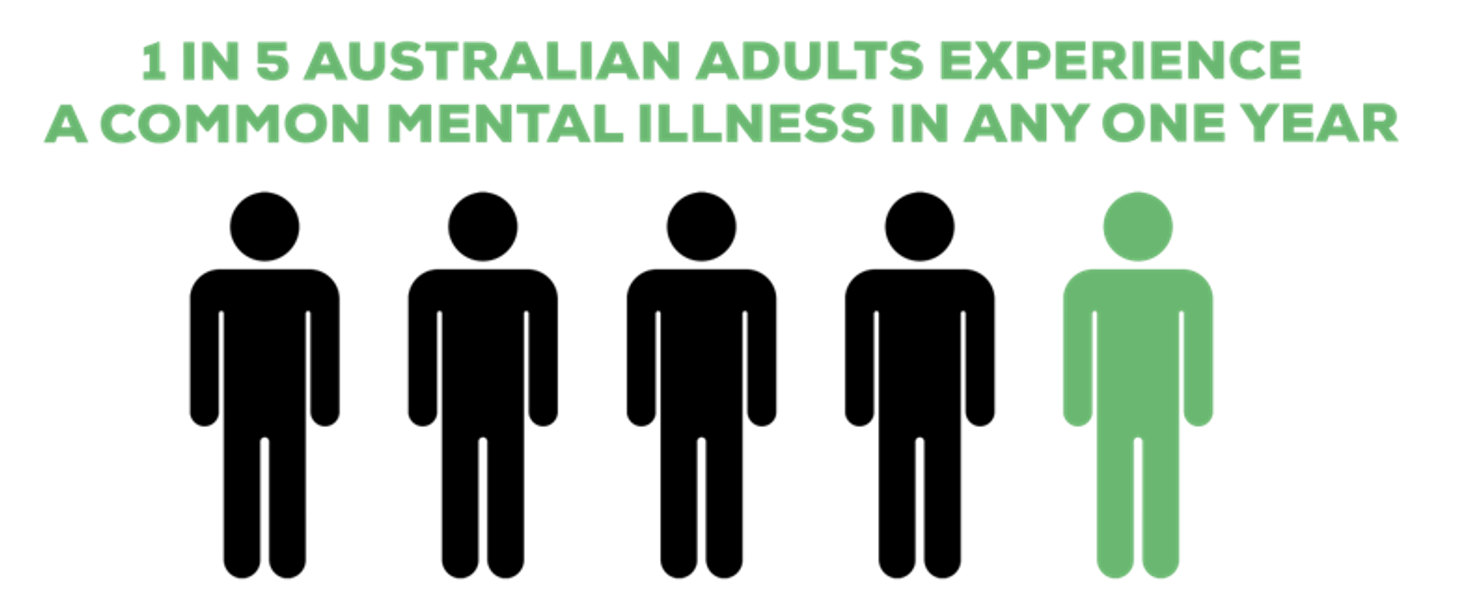
Your workplace is not separate from this statistic — it’s part of it.
So, what can you do about it?
Why Your Workplace Needs This
Workplaces are under increasing pressure — burnout, stress, anxiety, and depression are on the rise. When staff feel unsupported, engagement drops, absenteeism increases, and team wellbeing suffers.
For service-facing organisations, there’s also the reality that staff may encounter members of the public in distress. In these moments, knowing how to respond with care and confidence can make a real difference — for the individual, the staff member, and the wider community.
By investing in Mental Health First Aid training, you create a culture of psychological safety, reduce stigma, and empower your team to recognise early signs and offer meaningful support. It shows a genuine commitment to wellbeing, strengthens retention, and equips staff with the practical skills to respond to mental health incidents.
What the Course Covers
Standard Mental Health First Aid is a 2 day course, which runs from 9.30am - 4.30pm
The best part is, that the course can be delivered on site at your organisation, and can be tailored to your organisational needs.
Day One:
We will explore the landscape of mental health in Australia — including risk factors, prevalence, and pathways to recovery. You’ll learn why Mental Health First Aid matters and be introduced to the MHFA Action Plan: a practical, step-by-step framework for supporting someone experiencing a mental health challenge.
Throughout the day, we’ll cover:
Understanding Mental Illness – Explore key risk factors, prevalence, impact, and recovery pathways.
Why MHFA Matters – Learn the purpose, evidence, and structure of the MHFA Action Plan.
Recognise signs and symptoms of Depression, offer support, and respond in crisis situations, including suicidal thoughts and behaviours.
Understand common presentations of Anxiety and develop effective support strategies.
Day Two:
We’ll build on the foundations of Day One and focus on applying the MHFA Action Plan to more complex presentations, deepening your confidence to respond in both crisis and non-crisis situations.
Throughout the day, we’ll cover:
Action Planning Anxiety – Learn practical strategies for supporting someone through panic attacks, responding to traumatic events, and offering non-crisis support.
Explore signs, symptoms, of Psychosis and lived experiences, and learn how to provide appropriate support in crisis and non-crisis situations.
Understand Substance Use Problems and how to recognise and respond to substance use issues, including providing crisis support for severe effects or aggressive behaviour, and ongoing non-crisis support..
What I Bring to the Space
Ever wondered what it’s really like to support someone through a mental health crisis — not just in theory, but in real life?
I’ve spent years working in mental health hospitals, addiction and rehab settings, prisons, and private practice — sitting in rooms where conversations were raw, complex, and deeply human.
I wanted to bring this experience into workplaces as a preventative measure: supporting people to be one step ahead, equipped with the tools and understanding needed to navigate mental health with confidence and care.
My style is grounded, creative, and a little bit fun. I ask big questions, keep it honest, and create space for learning that truly sticks.
Because of the breadth of my experience across multiple settings, I work closely with you to tailor the training to your organisation’s unique context and needs.